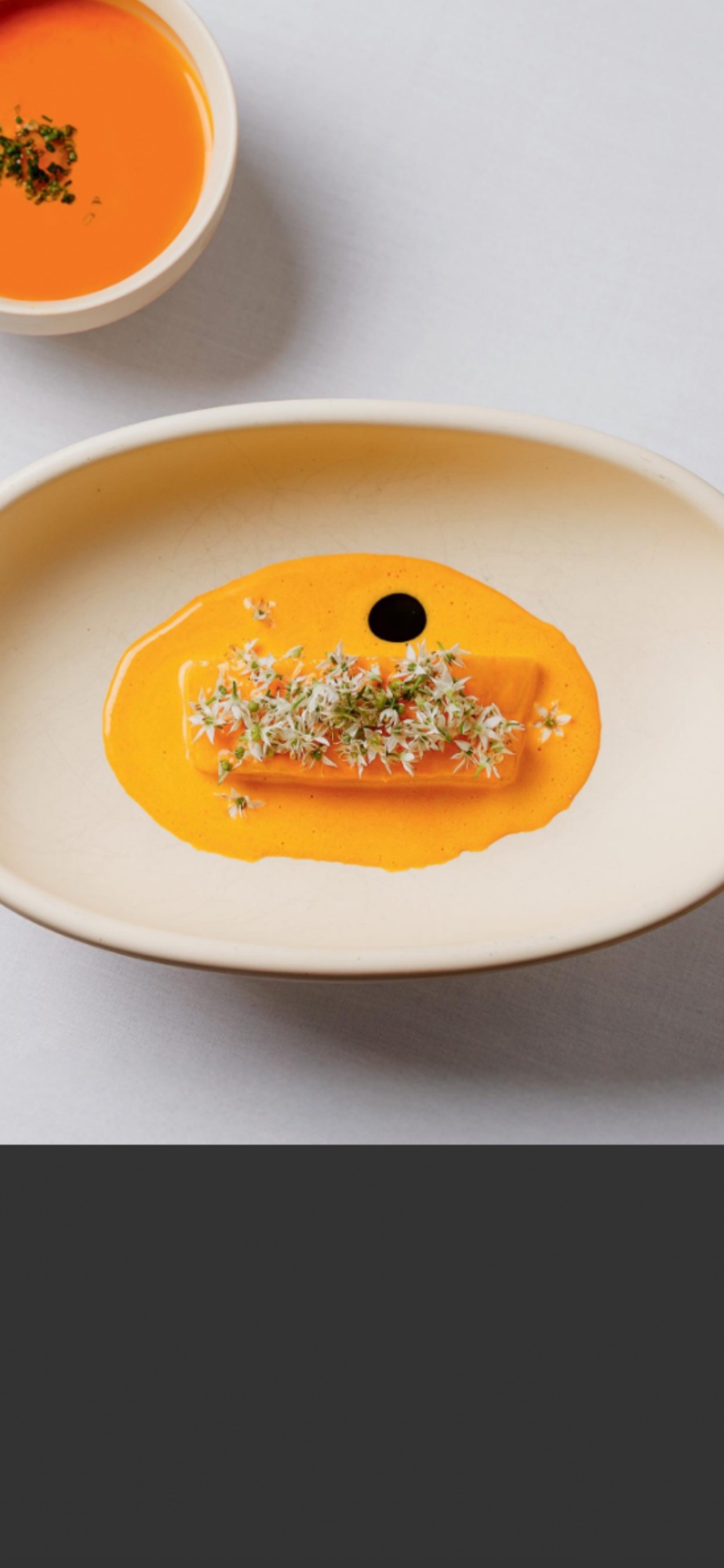
Planning a private dinner party sounds like it should be simple. You pick a date, invite some people, figure out the food. But the gap between a dinner that goes well and one that people are still talking about six months later comes down to a handful of decisions made before anyone arrives. I've cooked at enough of these to know where things either come together or fall apart.
Here's how I think about it — from the first conversation to the last course.
Choosing a chef who matches the occasion
The chef is the decision that shapes everything else. Before you think about menus or logistics, think about what kind of experience you want. A chef who specializes in molecular gastronomy is going to give you something very different from a chef who builds menus around live fire and seasonal ingredients. Neither is wrong — they're just different experiences, and guests will feel that difference immediately.
When I take on a dinner, the first thing I ask is what the occasion is and who's coming. A birthday for someone who grew up eating simple, honest food calls for a different approach than a dinner designed to impress business clients. My background is in Catalan wood-fire cooking — everything I do is built around fire and what's at peak in the market that week. That's the right fit for some dinners and not others, and I'd rather say that upfront than show up with the wrong energy for the room.
Ask any chef you're considering about their specialization. Ask to see menus they've built for similar gatherings. The answer tells you a lot about whether the fit is right.
Building the menu around your guests
The menu conversation starts with two things: what's in season and who's eating. Those two factors determine everything else.
For an Ojai dinner, I'm working with what's coming out of the valley in any given week. In spring, that's snap peas, spring onions, citrus still hanging on the trees, early stone fruit. In fall, it's late-harvest tomatoes, squash, pomegranates, the first cool-weather greens. A menu built around what's actually ripe is always going to outperform one built around what sounds impressive on paper. The ingredient does most of the work when it's at the right moment.
The guest list shapes the menu structure. Twelve people for an estate dinner is different from six people at a long table. For larger groups, I lean toward a format with more shared plates — it creates a looser, more social pace. For intimate dinners, a composed multi-course format works better because it lets each dish land as its own moment. The menus I build are flexible enough to go either direction depending on what the evening calls for.
Handling dietary restrictions without ruining the menu
This is the part most hosts dread, and honestly it doesn't need to be complicated. The key is getting the information early and treating it as a design constraint rather than a problem.
When I get the guest list, I ask the host to find out any hard restrictions — allergies, intolerances, things people genuinely can't eat — and any strong preferences worth knowing. Then I design around them from the start rather than trying to retrofit accommodations into a menu that was built without them.
One guest who doesn't eat shellfish doesn't mean the whole menu has to change. It means I make sure the key dishes work without it, or that there's a seamless alternative that doesn't feel like a consolation plate. One guest who's celiac means all the bread and pasta components are handled differently, but the rest of the menu often remains intact. The goal is that no one feels like a special case — everyone gets the same care and the same quality.
The only restriction that genuinely reshapes a wood-fire menu is a full vegan requirement. It's workable — there's a lot you can do over fire with vegetables — but it changes the architecture of the meal, so I want to know that early. Everything else is manageable with a week's notice.
Wine pairing that actually helps
Most private dinners I cook are either BYOB or the host has a cellar they want to work from. Both are fine. What I care about is alignment between what's in the glass and what's on the plate, because a bad pairing can make both worse.
The basic principle is that wine and food should amplify each other, not fight. Wood-fire cooking tends to produce deep, smoky, caramelized flavors — that pairs naturally with wines that have structure and a little earthiness. Old World reds from Rioja, Burgundy, or the Rhône tend to work well. A mineral white — Chablis, white Burgundy, dry Alsatian Riesling — is the right call for a lighter course built around seafood or spring vegetables.
If you have a sommelier or a wine shop you trust, share the menu with them two weeks out and let them build around it. If you're working from your own cellar, send me the list and I'll work backward to make the food match what you want to open. Either direction works — we just need to have the conversation before the night, not during it.
Setting the scene on the estate
Ojai estates are built for this. The combination of outdoor space, warm evenings, and the valley light at dusk is hard to replicate anywhere. The decision of whether to eat inside or outside shapes the whole tone of the evening.
For a wood-fire dinner, I prefer cooking outside when possible — the fire becomes part of the atmosphere, not just the cooking method. Guests arrive to the smell of burning oak, small bites coming off the grill. It sets an expectation before anyone sits down. The table can be inside or out, but having the fire visible is worth it. If you're planning a dinner in spring or summer, read the full guide to outdoor estate dining in Ojai — there's a lot more to timing and menu design when you take the evening outside.
Practically: make sure there's enough ambient light for after dark without being too bright. A mix of candles and low string lights usually works. Leave space between place settings — people want room to lean in and talk, not feel crammed. And think about sound. Ojai evenings are quiet enough that you don't need much, but a low background of instrumental music helps when conversation briefly lulls.
Special occasions get the most out of intentional staging — flowers that fit the season, place cards, a printed menu if it's a significant event. These things cost almost nothing relative to the rest of the evening and they make people feel like they're somewhere worth being.
The logistics that actually matter
A few practical things that come up on every job:
Give the chef kitchen access at least three hours before guests arrive. For a wood-fire dinner, I'm usually on-site four to five hours early to build the fire and prep. The timeline for the meal depends on the fire being ready, and the fire takes time.
Confirm the headcount at least 72 hours out. One or two additions at the last minute are manageable. Five is a different menu. I order based on the number I'm given, and changing it late creates waste or shortage — neither is good.
Discuss service style upfront. Am I plating and serving each course, or setting up a family-style spread? Am I staying through dessert or handing off after the main? These decisions affect my prep and your evening, and they're easy to get wrong if you assume instead of ask.
For a full picture of how the process works — from the first inquiry to the night of the dinner — I walk through it in detail on the How It Works page. And if you want to talk through a specific occasion and whether the format is right for your guest list, the best thing is to just reach out directly. Most good dinners start with one conversation.